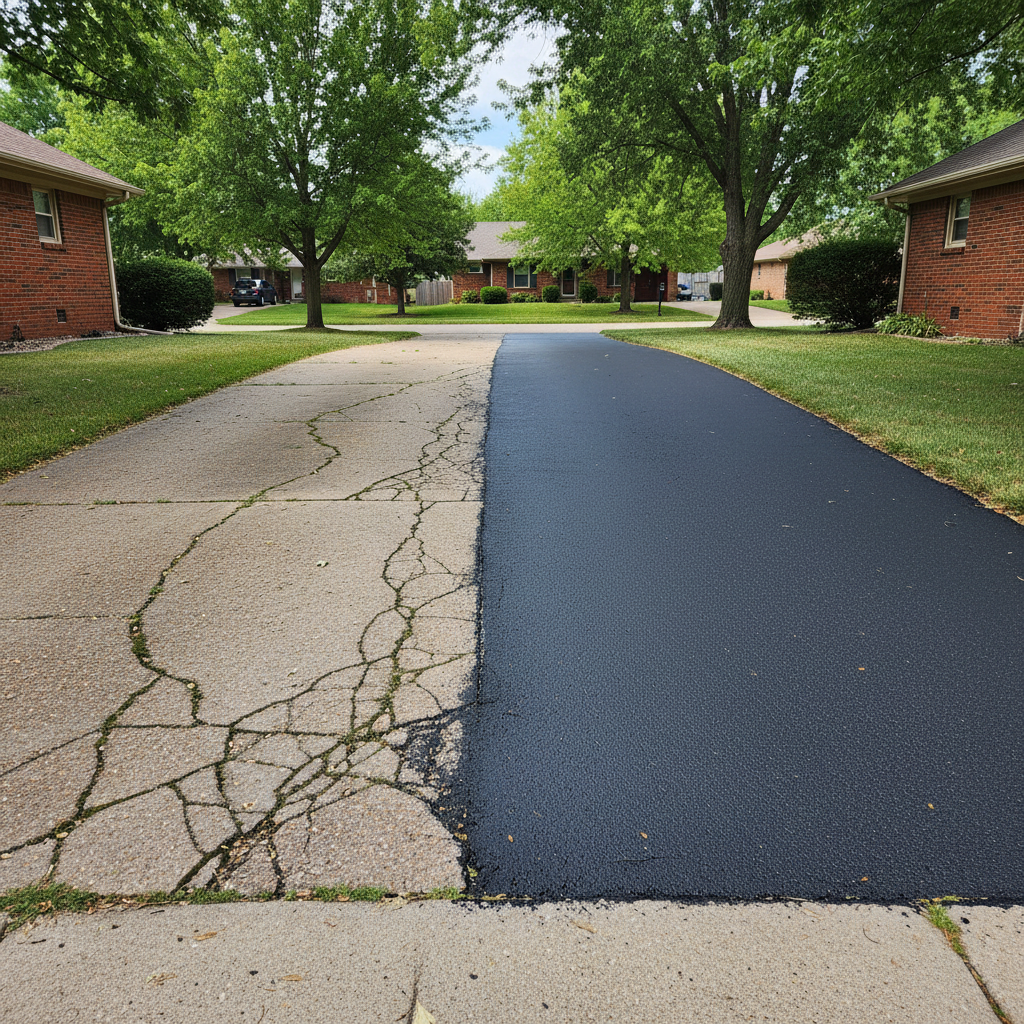
Alright, let's talk sealcoating. If you've got an asphalt driveway, you know keeping it in good shape is key to making it last. But when it comes to sealcoating, it's not just one-size-fits-all. There are two main ways folks go about it, and knowing the difference can save you a headache and some cash down the road.
I've seen countless driveways around Clearwater, from the older homes near the river to the newer developments out towards the high school, and the same questions pop up. What's the best way to sealcoat? Should I go with a traditional coal tar or asphalt emulsion sealer, or is there something else? Let's get into it.
Traditional Sealcoating: The Old Standby
This is what most people think of when they hear 'sealcoating.' We're talking about those black, liquid sealers that get sprayed or brushed on. Historically, a lot of these were coal tar based. Now, you see a lot more asphalt emulsion products, which are generally considered a bit more environmentally friendly and less pungent.
Cost
This is usually the cheaper option upfront. You're paying for the material and the labor to apply it. For a typical residential driveway, it's pretty affordable, making it a popular choice for homeowners looking to protect their investment without breaking the bank.
Durability & Maintenance
Traditional sealers do a good job protecting your asphalt from UV rays, water penetration, and oil spills. They add a fresh, dark black appearance that looks great. The catch? You'll typically need to reapply it every 2-3 years. If you skip a year, you'll start seeing fading, cracking, and aggregate exposure. Our hot Kansas summers and freezing winters really put a beating on asphalt, so regular reapplication is crucial with this method.
Appearance
When it's fresh, it looks fantastic. A deep, uniform black that really makes your property pop. Over time, it fades to a dull gray, and if it's not reapplied, it can start to look patchy and worn.
Asphalt Rejuvenators: A Different Approach
Now, this is where things get a little different. Instead of just putting a layer on top, asphalt rejuvenators are designed to penetrate into the asphalt itself. They replenish the binders and oils that get lost over time due to sun exposure and oxidation. Think of it like moisturizing your skin instead of just painting over it.
Cost
Generally, rejuvenators are a bit more expensive per application than traditional sealers. The materials can be pricier, and the application process might be a little different, sometimes requiring specialized equipment. Don't let the higher upfront cost scare you off entirely though, because there's more to the story.
Durability & Maintenance
This is where rejuvenators really shine. Because they're working from within, they can extend the life of your asphalt significantly. You won't need to apply them as often – typically every 5-7 years, sometimes even longer depending on traffic and conditions. This means less frequent maintenance for you. They don't just sit on top; they help restore the flexibility and integrity of the asphalt, making it more resistant to cracking and potholes. This is especially beneficial in our area where the ground can shift with our clay soils, putting extra stress on pavement.
Appearance
This is the biggest difference in appearance. Rejuvenators don't give you that super dark, uniform black finish like traditional sealers. They restore the natural black color of the asphalt, which is usually a rich, dark gray-black. It's a more natural look, and it won't fade or peel like a surface coating can. Some folks prefer the deep black of traditional sealers, but others appreciate the more subtle, natural look of a rejuvenated driveway.
Which One Should You Choose for Your Clearwater Home?
So, what's my recommendation? It really depends on your goals and budget, but for most homeowners in Clearwater, I lean towards asphalt rejuvenators for long-term value and protection.
- If you're on a tight budget and want a quick aesthetic boost, and you don't mind reapplying every couple of years, traditional sealcoating is a fine choice. It'll protect your driveway and make it look good for a while.
- But if you're looking for a longer-lasting solution, less frequent maintenance, and a deeper, more structural protection for your asphalt, rejuvenators are the way to go. They penetrate and restore, which means your driveway stays healthier from the inside out. Over the lifespan of your driveway, the reduced frequency of application often makes the overall cost comparable, if not cheaper, than constantly reapplying traditional sealers. Plus, you're getting better protection against the elements we deal with here in Kansas.
At All Star Asphalt Inc, we work with both, and we can help you figure out what's best for your specific driveway. Give us a call, and we can take a look and talk through your options. Protecting your pavement isn't just about making it look good; it's about making it last.