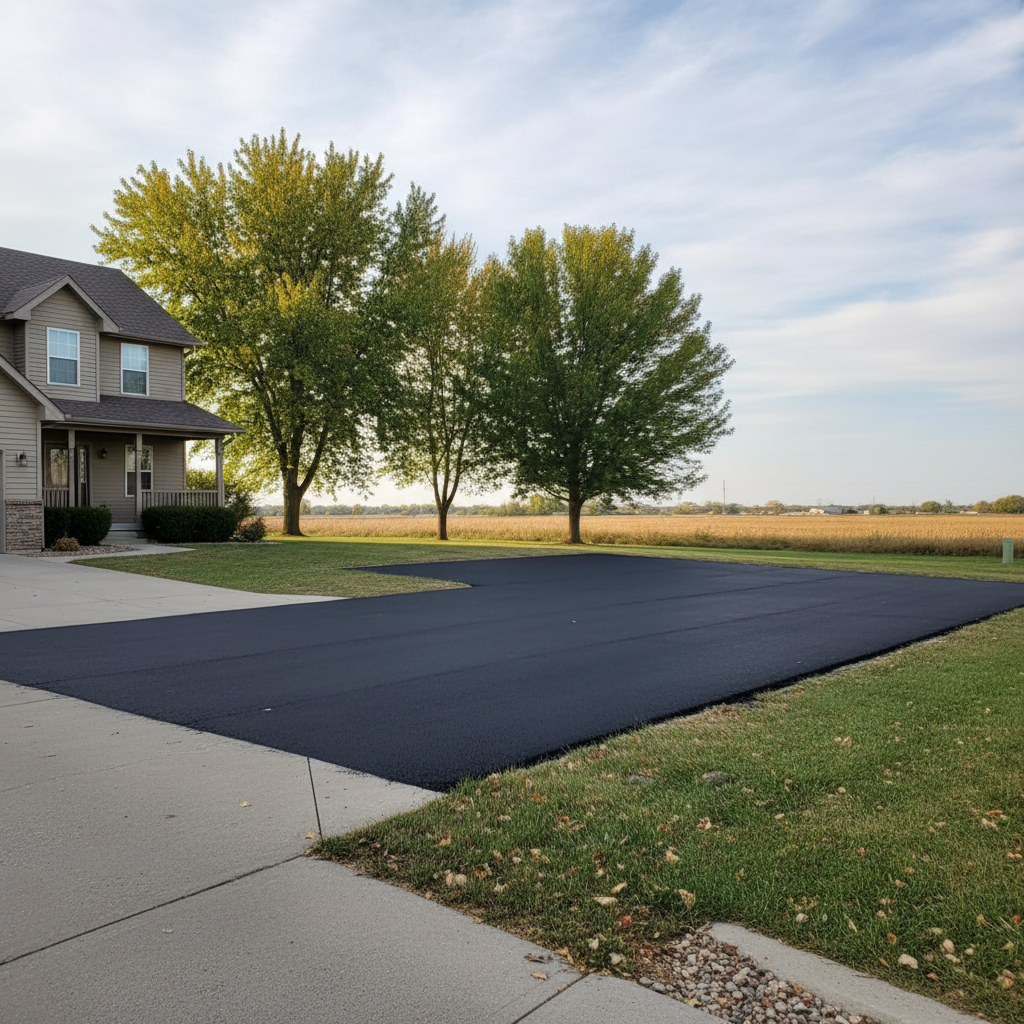
Alright, let's talk parking lots. If you're a business owner or you manage properties right here in Clearwater, you know a good parking lot isn't just about looking nice; it's about keeping people safe, making sure everyone can get around easily, and protecting your investment. But when's the right time to actually get that work done? It's not as simple as just picking a random Tuesday.
When to Schedule Your Paving Project
Here in Kansas, our weather can be a real rollercoaster, can't it? That's why timing your asphalt paving project is super important. You just can't lay asphalt in any old conditions and expect it to last. For the best results, you're really looking for a specific window.
Generally, the sweet spot for asphalt paving around here is late spring, through summer, and then into early fall. Think May through September, maybe even early October if we get a mild stretch. Why then? Well, asphalt needs warmth to cure properly. When the temperatures consistently stay above 50 degrees Fahrenheit, the asphalt mix stays pliable longer. This allows for better compaction and creates a much stronger bond. If it's too cold, the asphalt cools too fast, making it harder to work with. That leads to a weaker, less durable surface, and you'll end up with cracks and issues way sooner. Nobody wants that, right?
I've seen folks try to push it into late fall or early spring, and it almost always leads to headaches. The ground might still be too cold, or you could get hit with an unexpected cold snap or a late freeze. It's just not worth the risk when you're putting significant money into your property.
Weather Conditions That Affect the Work
Beyond just temperature, a few other weather factors can really mess with a paving job. You've definitely got to consider them when you're planning:
- Rain: This is a big one. You absolutely cannot pave on a wet surface. Water keeps the asphalt from bonding properly to the base layer. That'll lead to stripping, raveling, and a parking lot that falls apart way too fast. If rain is in the forecast, we'll reschedule. Simple as that.
- Extreme Heat: While warmth is good, extreme heat can also be a challenge. When it's scorching hot, like those 100-degree days we get in July and August, the asphalt can stay too soft for too long, making it tough to compact correctly. It also means the crew is working in brutal conditions, which isn't ideal for anyone. We *can* work in the heat, but it needs careful management and often means starting earlier in the day.
- Wind: High winds, especially during the laying process, can make the asphalt cool down faster than we want. It also makes it harder to keep a consistent temperature across the entire surface. Plus, nobody wants dust and debris blowing into fresh asphalt.
We're always watching the forecast like a hawk. It's just part of the job to make sure we're laying your asphalt under the best possible conditions. That's how All Star Asphalt Inc makes sure you get a parking lot that truly lasts.
Protecting Your Investment Year-Round
Once you've got that beautiful new parking lot, you'll want to keep it that way. Our Clearwater climate, with its hot summers, freezing winters, and occasional heavy rains, can be tough on asphalt. Here's what you need to do:
- Sealcoating: This is your first line of defense. A good sealcoat every 2-3 years protects the asphalt from UV rays, water getting in, and oil spills. Think of it like sunscreen and a raincoat for your pavement.
- Crack Sealing: As soon as you see cracks, get 'em filled. Those small cracks are entry points for water, and once water gets under the asphalt and freezes, it expands. That turns small cracks into huge potholes. This is especially true with our clay soils around Clearwater; water can really do a number if it gets in.
- Drainage: Make sure your drainage is working. Puddles that sit on your asphalt for extended periods will weaken it over time. If you've got standing water, address it.
- Regular Cleaning: Keep the surface free of debris, dirt, and chemicals. Oil and gas spills should be cleaned up quickly, as they can degrade the asphalt binder.
- Weight Limits: Be mindful of heavy vehicles. Repeated heavy loads can cause rutting and structural damage, especially if the base wasn't designed for it.
Taking these steps will drastically extend the life of your parking lot. It's not just about the initial paving; it's about smart, consistent maintenance. You put good money into it, so let's make sure it serves your business well for years to come.