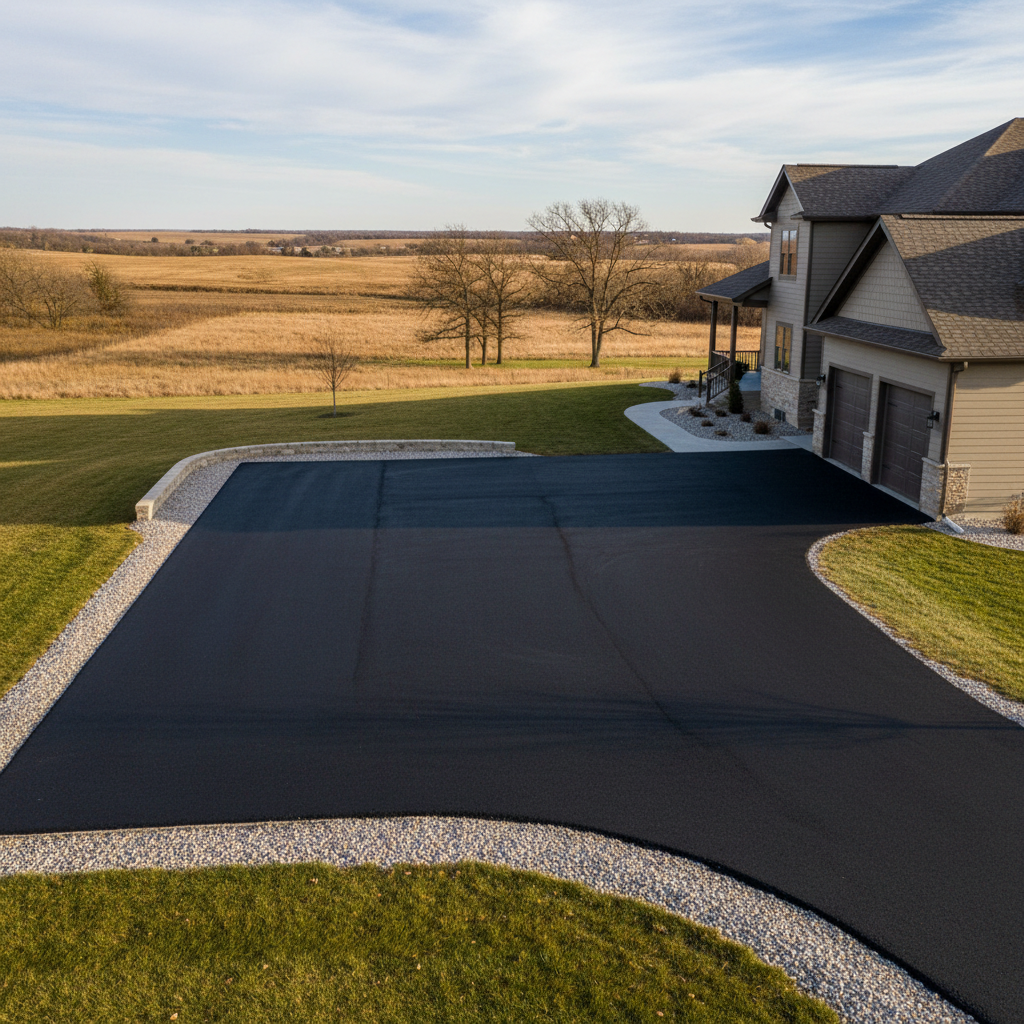
Alright, let's talk about commercial asphalt projects here in Clearwater. I've been doing this a long time with All Star Asphalt Inc, and frankly, I've seen folks make some pretty big blunders. These mistakes usually end up costing them a lot of time and money, which nobody wants. So, whether you're putting in a new parking lot for your business or maybe you're part of an HOA looking at a community road, these are the things you absolutely need to watch out for.
Not Getting Enough Bids (or the Right Kind of Bids)
This is a classic. You get two bids, they look similar, and you pick the cheapest one. That's a huge mistake. First off, you really need at least three, sometimes even four, solid bids. That gives you a real range and helps you spot any outliers. More importantly, you need to make sure those bids are actually comparing apples to apples. A cheap bid often means they're cutting corners somewhere, and you usually won't know until it's too late, right?
I'm talking about things like:
- Base material depth: Did they specify 6 inches of compacted aggregate base, or just 'adequate base'? Down here in Clearwater, with our clay soils, a proper, well-compacted base is non-negotiable if you want that asphalt to last. Skimping here means cracks and potholes showing up way too soon.
- Asphalt thickness: Are they quoting 2 inches of asphalt, or 3? That extra inch makes a world of difference in durability, especially for commercial traffic.
- Drainage plans: Did they even mention drainage? Water is asphalt's worst enemy. If they're not talking about proper grading, catch basins, or how to get water away from your lot, you're just setting yourself up for failure.
- Subcontractors: Are they doing the work themselves, or are they bringing in others for the grading, the paving, the striping? It's not always a red flag, but you do need to know who's ultimately responsible for what.
Don't just look at the bottom line, seriously. Dig into the details of what each bid actually includes. If a contractor can't — or won't — explain their process and materials clearly, that's a big red flag.
Ignoring Site Prep and Drainage
I touched on this earlier, but it's so critical it deserves its own point. You can lay down the best asphalt in the world, but if the ground underneath isn't prepped right, it's all for nothing. We've got pretty expansive clay soils around here. If that subgrade isn't properly compacted and stable, or if you've got standing water issues, your new pavement will move, crack, and fail prematurely. It's not a matter of 'if', it's 'when'.
A good contractor will spend a good amount of time on the subgrade. They'll talk about compaction tests, proper grading to ensure positive drainage, and maybe even geotextile fabric if the soil conditions are really challenging. If a contractor just wants to come in, scrape a little, and lay asphalt, run the other way. You're paying for a surface that will last, not just look good for a month.
Not Checking References or Insurance
This seems obvious, but you'd be surprised how many folks skip it. Anyone can put up a website or hand out a business card. You need to know you're dealing with a legitimate, experienced company, plain and simple.
- References: Ask for at least three recent commercial jobs they've done, and actually call them. Ask about the contractor's communication, how they handled issues, if they stayed on budget, and if the work has held up.
- Insurance: Get proof of liability insurance and workers' compensation. If a worker gets hurt on your property, or they damage something, you need to know they're covered. If they're not, that liability could fall squarely on you. Don't just take their word for it; ask for a certificate of insurance directly from their insurance carrier.
- Licensing: While specific paving licenses vary, make sure they're properly registered to do business in Kansas and right here in Clearwater.
It's your money and your property. You've got every right to do your due diligence. A reputable company like All Star Asphalt Inc will have no problem providing all this information, trust me.
Prioritizing Speed Over Quality
Everyone wants their project done yesterday, I totally get it. But with asphalt, rushing can lead to major problems. Laying asphalt isn't something you can just speed through without consequences. Proper compaction takes time, especially in our Kansas heat. If they're laying hot mix asphalt and not compacting it correctly before it cools, you're going to end up with a weaker, less durable surface.
Be wary of contractors who promise an impossibly fast turnaround or who seem to be rushing the job. A good contractor will give you a realistic timeline and stick to it, ensuring each step is done right. It's better to wait a little longer for a job done well than to have to redo it in a few years, wouldn't you agree?
Doing your homework upfront, asking the right questions, and not cutting corners on the crucial details will save you a ton of headaches and money down the road. Trust me on this one.