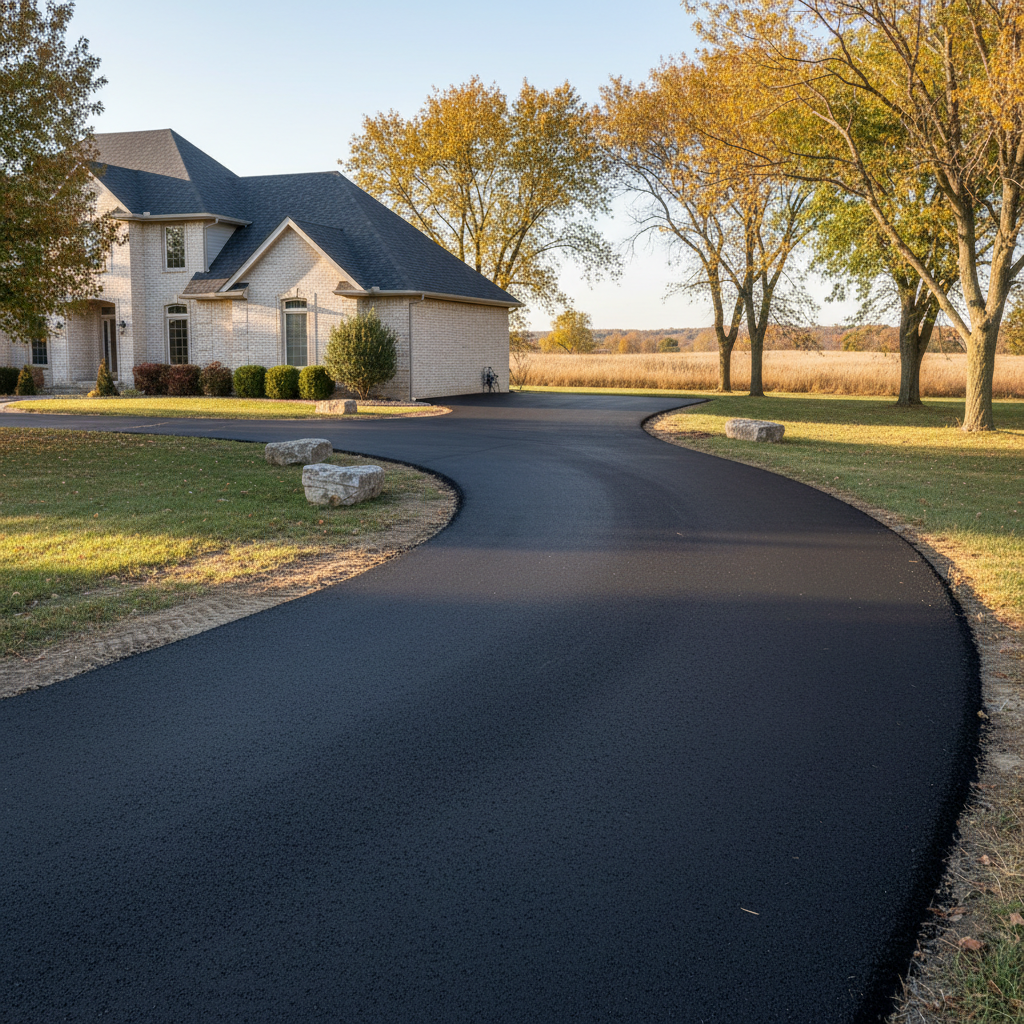
So, you've got an asphalt driveway or you're thinking about getting one. Naturally, you're probably wondering how to keep it looking sharp and lasting a good long time, especially with our wild Kansas weather, right? It's not just about the paving itself; it's really about understanding how our local Clearwater seasons mess with that asphalt and, more importantly, what you can actually do about it.
When's the Best Time for Asphalt Projects?
When's the absolute best time to get asphalt work done? Honestly, that's one of the questions I hear most often. For new paving or any big overlay jobs, spring and fall are usually your safest bets. Why those times?
- Spring (April to early June): The ground's finally thawed out, and we're generally past those hard freezes. Temperatures are pretty consistently above 50 degrees, which is super important for asphalt to cure correctly. The mix stays workable longer, and it compacts better. Plus, we're usually not dealing with the intense humidity and pop-up thunderstorms of summer just yet.
- Fall (September to late October): It's a lot like spring – you get those perfect temperatures. Warm enough for the asphalt to lay down nicely, but not so hot that it dries out too fast. And you're getting it done before the ground starts freezing solid, which can cause real headaches with getting the base ready.
What about summer and winter, then? We can definitely handle repairs in the summer, but new paving can get tricky. Those 90-degree-plus days we often see, especially out near the Ninnescah River where it feels even hotter, mean the asphalt cools incredibly fast. That makes it a lot harder to get a smooth, even finish. Winter? Forget about new paving altogether. Asphalt just needs warm temperatures to bond and cure properly. You'd honestly just be throwing money away if you tried to pave when it's freezing.
Weather Conditions: Deal Makers or Breakers
It's not just the time of year; the specific weather on the day of the job makes a huge difference. As a homeowner, you don't need to be a meteorologist, but understanding a few basic things helps you see why we might need to reschedule.
- Temperature: I've mentioned it already, but it's worth saying again. For new paving, we need both the air and ground temperature to stay consistently above 50°F. For sealcoating, it's even more crucial – usually 55°F and climbing, with zero rain in the forecast for at least 24-48 hours. If it's too cold, the asphalt won't compact right, and the sealcoat simply won't cure.
- Rain: Asphalt and water just don't mix during installation. If the base is wet, it won't compact correctly, which leads to future problems. And if it rains on fresh asphalt or sealcoat? It can wash away, leave streaks, or just stop it from curing properly. We watch the forecast like hawks, believe me. A little drizzle might be okay for some minor repairs, but for a full paving job or sealcoat, we absolutely need clear skies.
- Humidity: High humidity, especially in the summer, can really slow down the curing process for sealcoats. It's not usually a deal-breaker for the paving itself, but it's definitely something we factor in.
- Wind: Strong winds can be a real pain. They can cool the asphalt mix too quickly, making it tougher to work with and get a good finish. For sealcoating, wind can cause it to dry unevenly or even blow overspray onto your house or landscaping. Nobody wants that.
Protecting Your Investment All Year Long
Once you've got that beautiful new asphalt, you want it to last, right? Here's how to protect it through all our Kansas seasons:
- Spring: After the thaw, take a good look for any new cracks or potholes that might have popped up from the freeze-thaw cycles. Get those small repairs done quickly. Water is asphalt's worst enemy, and cracks just let it seep in, causing much bigger headaches down the road.
- Summer: Keep heavy vehicles off your new asphalt for the first few days or even weeks, especially when it's super hot. The asphalt is softer in high temperatures, after all. Try to avoid turning your wheels sharply when parked; that can scuff the surface. If you spill any oil or gas, clean it up immediately – petroleum products actually break down asphalt.
- Fall: This is a fantastic time for sealcoating. It really protects against water penetration, UV rays, and the wear and tear of traffic. Make sure your driveway is clean before winter hits. Sweep away leaves and any other debris.
- Winter: Avoid using metal shovels or sharp tools directly on your asphalt when you're clearing snow and ice. Plastic shovels are way better. Be careful with de-icing chemicals too. While some are fine, using too much rock salt can be harsh on asphalt over time. Sand is a good alternative for traction. If you use a plow service, make sure they've got a plow with a rubber edge to prevent gouging.
Taking care of your asphalt isn't a one-time thing; it's really a year-round commitment, especially with the weather extremes we see here in Clearwater. If you've got questions about your driveway or need some work done, don't hesitate to give All Star Asphalt Inc a call. We're here to help you keep your pavement in top shape.