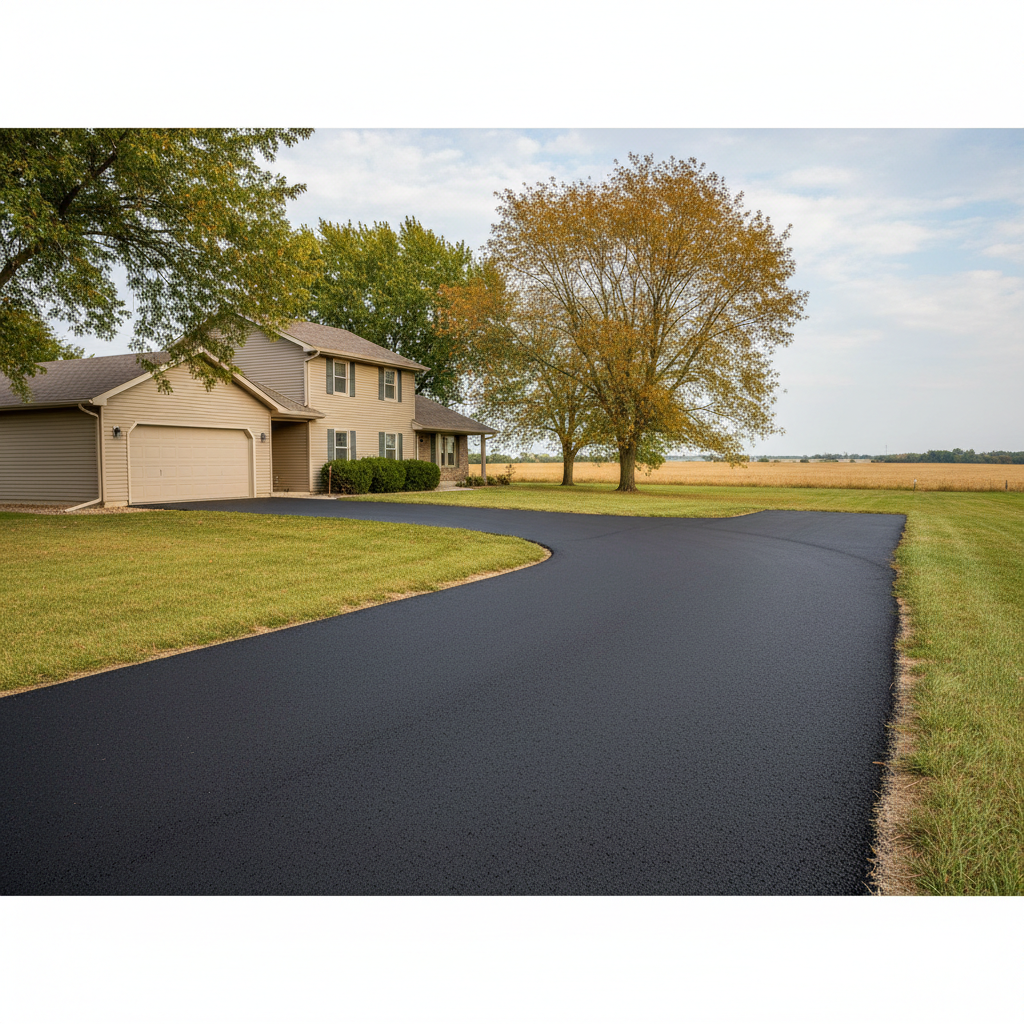
Alright, let's talk about your asphalt driveway here in Clearwater. It's not just a slab of blacktop; it's an investment, and frankly, it's got to put up with some pretty wild weather swings. As someone who's been laying asphalt around here for years with All Star Asphalt Inc, I've seen what works and what doesn't. You want to keep that driveway looking good and lasting long? You gotta think seasonally.
When's the Best Time to Get Asphalt Work Done?
This is probably the most common question I get, and for good reason. Timing is everything when it comes to asphalt. You can't just pave whenever you feel like it; the weather plays a huge role in how well that asphalt cures and performs long-term.
- Spring (Late March to Early June): This is prime time. The ground's thawed out, but it's not scorching hot yet. We're looking for consistent temperatures, ideally above 50 degrees Fahrenheit, and definitely no freezing nights. The asphalt has a chance to cool and compact properly without getting shocked by extreme cold or drying out too fast in intense heat. It's a sweet spot for new installations and major repairs.
- Summer (Late June to August): You can still get work done in the summer, but it's trickier. Those 100-degree days we get in July and August? They're tough on fresh asphalt. It can set up too quickly, which might lead to cracking down the road if it doesn't get enough compaction time. We'll often start earlier in the morning to beat the worst of the heat. It's doable, but you've got to be smart about it.
- Fall (September to Early November): Another excellent window. The temperatures are dropping, but they're usually still well above freezing. This is great for sealcoating especially, as it needs time to cure before winter hits. For new paving, it's almost as good as spring, as long as we don't get an early cold snap.
- Winter (Late November to March): Forget about it for new paving or major repairs. Asphalt needs warmth to be pliable and to cure correctly. Trying to lay it in freezing temperatures is just asking for trouble – it'll crack, crumble, and won't last. We might do some emergency patching if absolutely necessary, but it's not ideal.
Weather Conditions That Really Matter
It's not just the temperature; a few other things can make or break an asphalt job. You might not think about it, but we sure do.
- Rain: Asphalt and water don't mix during installation. If it's raining, we're not paving. Period. The base needs to be dry, and the asphalt itself can't be laid on a wet surface. It just won't bond right, and you'll end up with a weak, failing driveway pretty quickly.
- Wind: Strong winds can cool asphalt too fast, making it harder to work with and compact properly. It's not usually a deal-breaker like rain, but it's something we watch.
- Humidity: High humidity can slow down the curing process, especially for sealcoating. It just means we need to factor in more drying time.
Protecting Your Investment Year-Round in Clearwater
Once you've got that beautiful new or repaired driveway, you want to keep it that way. Here's how you can protect it from our Kansas climate:
- Sealcoating: This is your first line of defense. I recommend sealcoating every 2-3 years, depending on traffic and sun exposure. It protects against UV rays, water penetration, and oil spills. Think of it like sunscreen and a raincoat for your driveway. It's especially important here with our intense summer sun and the freeze-thaw cycles we get.
- Crack Sealing: See a crack? Get it filled. Water is asphalt's worst enemy. If water gets into those cracks, especially in winter, it freezes, expands, and turns a small crack into a big pothole. We see this a lot in older neighborhoods like around the high school where driveways have seen a few decades of Kansas weather. Don't let those little cracks become big headaches.
- Drainage: Make sure water isn't pooling on your driveway. If you've got standing water, it's going to degrade the asphalt faster. Sometimes it's a simple fix, like clearing debris from a drain, other times it might mean regrading. Good drainage is key to longevity.
- Avoid Heavy Loads & Sharp Turns: Try not to park heavy RVs or equipment on your driveway for extended periods. And those sharp turns with your car's steering wheel while stationary? That grinds and stresses the asphalt, especially when it's hot and softer.
- Clean Up Spills: Oil, gas, and other chemicals can eat away at asphalt. Clean them up quickly to prevent permanent damage. A little cat litter or absorbent material can do wonders.
Look, your driveway works hard. It's out there day in and day out, dealing with everything from scorching summer sun to icy winter mornings. By understanding how our local Clearwater climate affects it and taking these simple steps, you'll extend its life and keep it looking good. If you've got questions or need a hand, you know who to call.