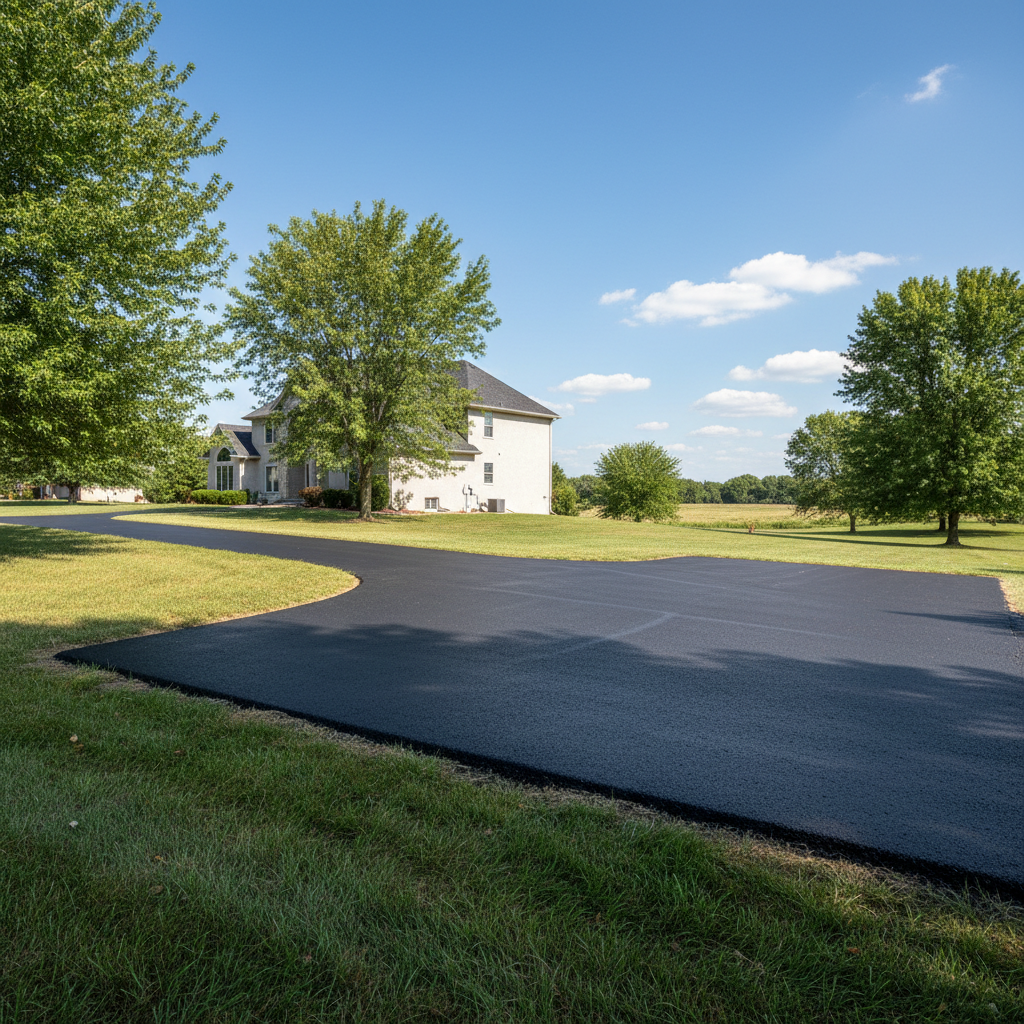
So, you've just put money into a new asphalt driveway or parking lot, or maybe you're just looking at one that's been around for a while. Either way, you want it to last, right? That's just good sense. A lot of people think asphalt is something you can just "set it and forget it," but that's really not the case, especially not here in Kansas.
Making Your Asphalt Last Longer
The best thing you can do to get more life out of your asphalt is to shield it from the weather and from heavy stuff driving over it. Our Kansas weather, with its scorching hot summers and then those freezing winters, really puts pavement through the wringer. That constant freezing and thawing cycle can be brutal, particularly if water manages to sneak into cracks.
Now, think about what's actually sitting on top of your asphalt. Big trucks, RVs, construction equipment — all of it puts stress on the surface. If you've got a delivery truck that always parks in the same spot, or a dumpster that never moves, you'll definitely see wear there much faster. Try to move parking spots around if you can, and if you know you'll have really heavy loads, make sure your original asphalt installation was actually built to handle that kind of weight.
Good drainage is absolutely critical. Standing water is the enemy of asphalt. If water can't get away, it'll seep down into the base, soften it up, and then when things freeze, it expands and cracks your pavement. So, check that your gutters are sending water away from your driveway, and if you notice puddles hanging around after a rain, that's a pretty clear sign you might have a drainage problem that needs some attention.
What Regular Maintenance Looks Like
It's not exactly rocket science, but it does need a little bit of care. Here’s what I tell folks in Clearwater to do:
- Keep it Clean: Sweep off dirt, leaves, and other debris pretty regularly. This stuff holds moisture, which can break down the surface over time. Oh, and oil and gas spills? Clean those up fast. They'll eat right through asphalt if you let them sit too long.
- Crack Sealing: This is probably the most important thing you can do, honestly. Small cracks are going to happen, but they’re also perfect entry points for water. Get them sealed up quickly. I'm talking about cracks that are a quarter-inch wide or less. Don't wait until they turn into potholes.
- Sealcoating: We've talked about this before, but it's worth bringing up again. A good quality sealcoat every few years protects your asphalt from those harsh UV rays, water, and chemicals. Think of it like sunscreen for your driveway.
- Edge Protection: The edges of your asphalt are usually the weakest spots. If you've got gravel shoulders, keep them built up to support the asphalt's edge. If there's grass, keep it trimmed back so it's not holding moisture right up against the pavement.
Signs of Trouble You Should Watch For
You don't need to be an expert to spot problems. Just keep an eye out for these things:
- Cracks: We're not just talking about those tiny hairline cracks here. If you see cracks that are wider than a pencil, or if they're starting to look like alligator skin in a pattern, that's a big red flag. Alligator cracking means the base underneath is failing.
- Potholes: These usually start as small cracks that just get bigger and bigger as water gets in and traffic pounds them. Don't ignore a small pothole; it will only get worse. Trust me.
- Fading and Discoloration: If your asphalt looks gray instead of that nice deep black, it means the surface is oxidizing and losing its protective oils. This makes it more brittle and much more likely to crack.
- Depressions or Rutting: If you see areas where the asphalt is sinking or forming grooves, especially where tires consistently drive, that means the base material isn't holding up. This is a serious issue.
- Water Pooling: Like I said, standing water is really bad news. If you see puddles that don't dry up within a few hours after a rain, you've definitely got a grade or drainage problem.
When to Call a Professional
Look, I'm not going to tell you to call All Star Asphalt Inc for every little thing that pops up. You can handle sweeping and maybe even some basic crack filling yourself if you're handy. But there are definitely times when you really need someone who knows what they're doing.
If you're seeing widespread alligator cracking, significant potholes, or large areas of rutting or sinking, that's way beyond a DIY job. Those kinds of problems usually point to an issue with the sub-base, and that needs proper excavation and repair. Trying to patch over those sorts of problems is just a temporary fix that won't last. Also, if you've got drainage issues that are causing water to sit on your pavement, we can come assess the grade and recommend solutions. Sometimes it's a simple fix; other times it needs more involved work.
It's always smarter to deal with these things sooner rather than later. A small repair now can save you from a much more expensive full replacement down the road. Especially with our clay soils around Clearwater, if water gets under that asphalt, it can really mess things up fast. So, don't wait until your driveway looks like a patchwork quilt or, you know, the surface of the moon. Give us a call when you see those warning signs, and we can come take a look.